— iIT-Services

Archive
Visualization

✈️ Plane Finder — User-Friendly Flight Tracker

What it is: Plane Finder is a flight tracking tool that’s easy for beginners to use but still offers detailed information on flights in real-time. It shows aircraft positions, flight numbers, departure and arrival airports, and more, either in your browser or via its free app.
🔗 https://planefinder.net/


✈️ Airplanes.Live — Data-Rich Flight Map

What it is: Airplanes.Live provides a more data-intensive view of aircraft movements. It includes many details that aren’t available on Flightradar24, such as military and government flights. The interface is more utilitarian, but the depth of data is its key strength.
🔗 https://globe.airplanes.live/


✈️ Airloom — Aesthetic Real-Time Flight Visualizer

What it is: Airloom emphasizes design and visual experience over raw data. It uses flight data (sourced from Airplanes.Live) to show beautiful animations of flights in real-time — ideal for screens or as an engaging way to watch air traffic. It’s not as informative as other trackers, but stands out for its artistic presentation.
🔗 https://objectiveunclear.com/


📻 LiveATC — Air Traffic Radio (Bonus mention)

What it is: LiveATC isn’t a flight tracker in the map sense — instead, it lets you listen to live air traffic control communications from airports and heliports around the world. It’s great if you want the sound of flight operations and pilot-controller chatter.
🔗 https://www.liveatc.net/


🛫 FlightAware — Comprehensive Real-Time & Historical Flight Tracking

What it is: FlightAware is one of the most widely used global flight tracking platforms. It offers real-time flight positions, detailed flight status data (such as departures, arrivals, delays), and predictive features. It aggregates data from its own extensive network of ADS-B receivers and multiple aviation sources to provide broad global coverage. FlightAware also supports historical flight data and is used by both aviation professionals and enthusiasts.
🔗 https://flightaware.com/


🛰 RadarBox — Feature-Rich Flight Tracking & Aviation Intelligence

What it is: RadarBox (recently rebranded from RadarBox24) is a real-time aircraft tracking service that displays flights on an interactive map with details like aircraft type, flight number, altitude, speed, origins/destinations, and airport information. It pulls data from a blend of terrestrial and satellite ADS-B networks and offers additional tools like historical flight playback, notifications, and aviation analytics — useful for spotters, journalists, and professionals.
🔗 https://www.radarbox.com/


🧠 OpenSky Network — Open Data Flight Tracking for Research

What it is: The OpenSky Network is a non-profit, research-oriented flight tracking platform that collects and shares raw ADS-B and other surveillance data. Unlike commercial trackers, its focus is on open access to high-quality aviation data for academic and scientific use, though it also provides a live flight map and APIs for developers and hobbyists.
🔗 https://opensky-network.org/


🛰 ADS‑B Exchange — Unfiltered, Community‑Feeder Flight Tracking

What it is: ADS‑B Exchange (often abbreviated ADSBx) is a flight tracking platform built from a global crowd of volunteer ADS‑B, Mode S, and MLAT feeders, meaning its map shows aircraft based on real, unfiltered data collected by participants around the world. Unlike many commercial trackers, ADS‑B Exchange does not block or censor aircraft data, including military and private flights if a feeder receives them — making it popular among aviation enthusiasts and researchers.
🔗 https://www.adsbexchange.com/


🌍 adsb.fi — Community‑Driven Open Flight Tracker

What it is: adsb.fi is a community‑built global flight tracking site with thousands of feeders contributing real‑time ADS‑B data. Its focus is on open, unfiltered air traffic data, presented on an interactive map and updated live. As with other community projects, users can host their own ADS‑B receivers to help improve coverage.
🔗 https://adsb.fi/


😂 ADSB.lol — Unfiltered Flight Tracking with Open Data Focus

What it is: ADSB.lol is a flight tracker that emphasizes free, unfiltered data and accessibility, providing an open‑data API and public historical archives under open permissive terms. It is run by enthusiasts and is often used by hobbyists or developers who want access to raw flight data without the restrictions seen on some commercial sites.
🔗 https://adsb.lol/


📡 TheAirTraffic — Global Flight Data Aggregator

What it is: TheAirTraffic is a newer global flight tracking site created by aviation data community Ground Control. It aims to provide unrestricted access to both real‑time and historical flight data, combining features from more traditional trackers with an open approach to aircraft tracking.
🔗 https://theairtraffic.com/


🛩 PlaneSpotters.net (Tracker) — Community ADS‑B Flight Tracker & Aviation Resource

What it is: PlaneSpotters.net is primarily known as a civil aviation database with extensive aircraft photos, fleet info, and spotting resources, but it also hosts its own flight tracker based on community ADS‑B feeds. While still growing, it represents another enthusiast‑driven alternative in the ecosystem.
🔗 https://www.planespotters.net/


🛠 ADSB Hub — DIY Open Source ADS‑B Receiver & Sharing Platform

What it is: ADSB Hub isn’t a traditional viewer like the others above; it’s an open‑source software package that lets you set up your own ADS‑B receiver and aggregate local data feeds. Users can display aircraft positions and tracks on their own map, and share that data publicly if they choose — effectively enabling them to build their own community flight tracker.
🔗 https://github.com/ (search for “ADSB Hub” on GitHub)


Bonus

adsb.one – A community aggregator for ADS‑B data.

Plane.watch – A community‑hosted flight tracker showing real‑time traffic.

live‑military‑mode‑s.eu – Focuses on military aircraft tracking.

adsb.chaos‑consulting.de – A non‑commercial tracker run by aviation enthusiasts.

Comparison

ToolReal‑Time TrackingOpen/Unfiltered DataHistorical Data / PlaybackMilitary / Private VisibleAPI / Developer Access
Flightradar24✔️ Yes — global real‑time aircraft positions on a map (ADS‑B + other sources) (Wikipedia)❌ Commercial; some data filtered✔️ Replay & historical data (tier varies by subscription) (Wikipedia)⚠️ Limited — some military/private flights suppressed by design (Reddit)✔️ Yes (commercial API & data products)
FlightAware✔️ Yes — broad real‑time tracking via own ADS‑B + other sources (FlightAware)❌ Commercial service✔️ Yes — flight history & status⚠️ Limited — private/military often filtered✔️ Yes (commercial & enterprise APIs)
RadarBox✔️ Yes — live tracking with flight details (Flightradars24.de)❌ Commercial (but integrates large ADS‑B network) (AirNav Radar)✔️ Yes (historical with subscription)⚠️ Limited (similar to commercial platforms)✔️ Yes
ADS‑B Exchange✔️ Yes — live global ADS‑B data via community feeders (ADS-B Exchange)✔️ Yes — raw, unfiltered data (no censorship) (ADS-B Exchange)Limited intrinsic playback without external tools✔️ Often includes military/private when transponded (Reddit)✔️ Yes — API & raw feeds
OpenSky Network✔️ Yes — real‑time and recorded ADS‑B/Mode S data (opensky-network.org)✔️ Yes — open access research data (Wikipedia)✔️ Yes — historical datasets and archive downloads (opensky-network.org)⚠️ Depends on receiver data coverage (not filtered but limited by feeds) (opensky-network.org)✔️ Yes — open API access (opensky-network.org)
adsb.fi✔️ Yes — live crowd‑sourced ADS‑B feed display (adsb.fi)✔️ Yes — unfiltered ADS‑B data (adsb.fi)❌ Limited built‑in history (focus is on live)✔️ Private/military visible if transponded (adsb.fi)❌ No public API (visual only)
ADSB.lol✔️ Yes — live, unfiltered aggregate data (adsb.lol)✔️ Yes — open data emphasis (free API & archive) (adsb.lol)✔️ Daily archive available (adsb.lol)✔️ Yes — no filtering (adsb.lol)✔️ Yes — free API (adsb.lol)
Read More

from crowbarsolutions.com: If you have an .img file on your Garmin GPS device and you want to view the same map in BaseCamp, there’s a way of loading it in without any complex conversion utilities. The map will also load in BaseCamp just as quickly as if it was installed on your machine. These instructions are for Windows and assume your .img file isn’t locked and doesn’t require authentication to view.

  1. Download and install ImDisk Virtual Disk Driver. Once installed, open Control Panel and select ImDisk Virtual Disk Driver
  2. Click Mount New…
  3. In the Mount New Virtual Disk window that appears:
    1. Select any Drive Letter
    2. Set the Size of Virtual Disk to be slightly larger than the .img file you want to view. For example, if your .img file is 3.5GB create a virtual disk that is 4GB in size.
    3. Make sure Removable Media is checked
    4. Leave the other fields with their default values
  4. Press OK
  5. Open File Explorer and open the drive letter that you set earlier. You should be prompted to format the disk you just created. Select Format Disk
  6. Make sure the File System is set to FAT32 and that Quick Format is checked. Press Start
  7. Once the drive has been formatted, create a folder named Garmin inside of it
  8. Copy your .img file into the Garmin folder you just created
  9. Download and install JaVaWa Device Manager. Once installed, open the program
  10. Press Scan Drives
  11. Click the Manage Maps button for the drive you just created
  12. Select the .img file in the window that appears and click the Visible in BC button.
  13. Click Yes to confirm that you want to change the visibility of the .img file
  14. Close JaVaWa Device Manager
  15. Open BaseCamp. Wait a while and your drive should appear as a Memory Card on the left hand side listing the map inside of your .img file.
  16. Open the Maps menu at the top and select the map inside your .img to view it

At this point you should be able to view the map in BaseCamp. However, you will find that if you restart your computer, the virtual disk you created will disappear. To save you from having to repeat the steps above to recreate the virtual disk, you can create a snapshot of the disk so that you can load it quickly in the future.

To create a snapshot of your virtual disk:

  1. Open Control Panel and select ImDisk Virtual Disk Driver
  2. Select the drive you wish to create a snapshot of and click the Save Image… button
  3. Press OK and select a location to save your .img file

To quickly recreate the virtual disk after a shutdown or restart:

  1. Open Control Panel and select ImDisk Virtual Disk Driver
  2. Click Mount New…
  3. In the Mount New Virtual Disk window that appears:
    1. Select the Image File of the snapshot you created. This is NOT the .img file of your Garmin map, select the .img file you created with ImDisk earlier
    2. Select any Drive Letter
    3. Make sure Virtual Disk Drive Accesses Image File Directly is selected
    4. Make sure Removable Media is checked
    5. Leave the other fields with their default values
  4. Press OK. Your virtual disk should be created and mounted. You can now open BaseCamp to view your map

This method has been confirmed to work on Windows 8.1 with Basecamp 4.6.2, ImDisk 2.0.9 and JaVaWa Device Manager 3.8

Read More
Easily convert GPX to various formats incl. KML online, or KML to GPX, or also KMZ, CSV, XLSX, GEOJSON, TOPOJSON…:

Read More

Capture, edit, and share audio and video. Descript is an all-in-one audio and video editor that makes editing as easy as a doc. Upload media or record directly in Descript to instantly transcribe your file into text, then tweak the text to directly edit your media clips. Edit out filler words and silent gaps with a single click. Record your screen and webcam for presentations and video messages and edit out mistakes before publishing. Export your project to other pro apps: descript.com.

Read More

This webservice converts images in HEIC format online into JPG files, just that: https://heictojpg.com.

Read More

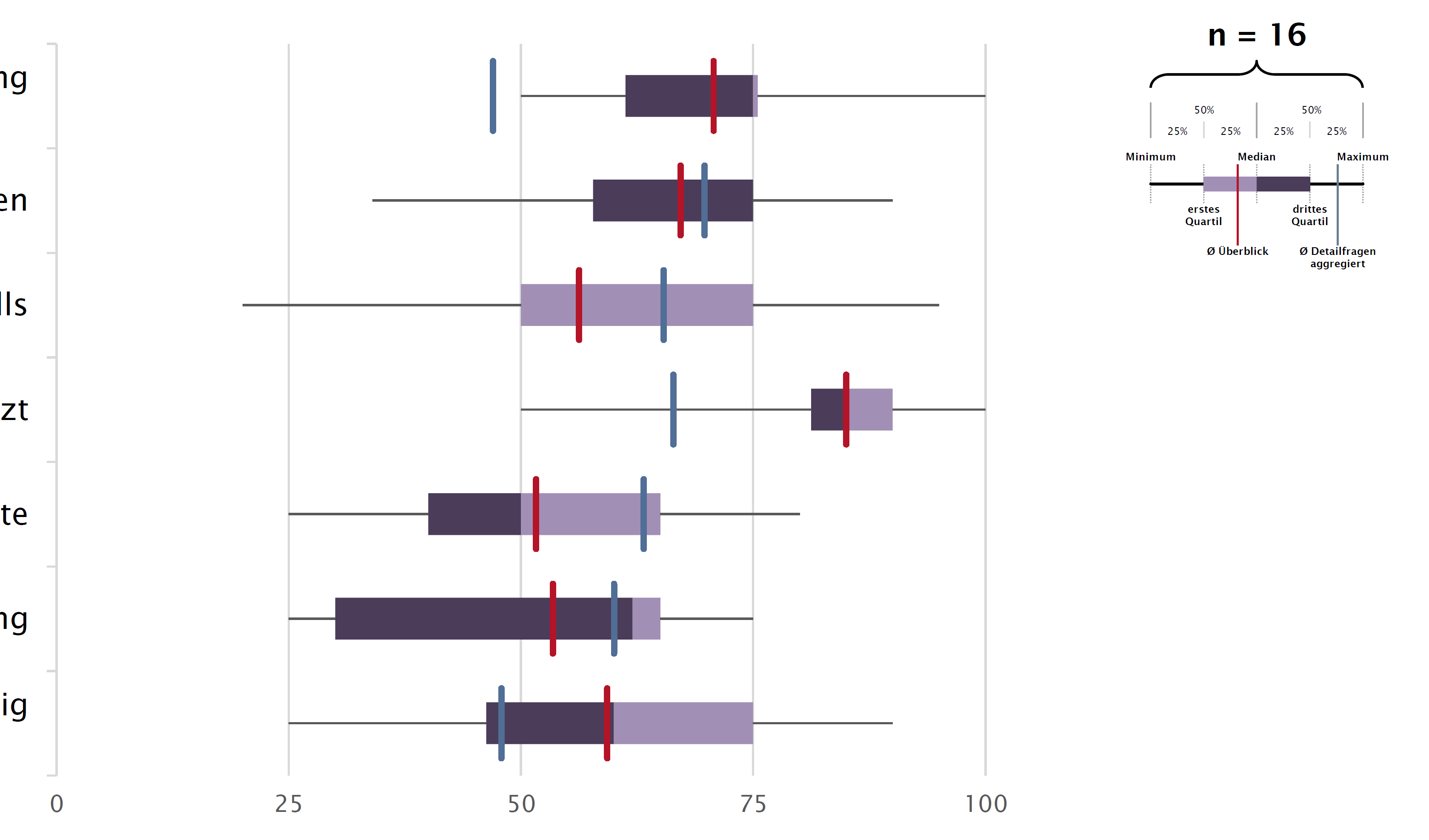
I was wondering, how can I add vertical line metrics to a horizontal bar chart or box-plot in Excel, as for example shown below in a box plot.

This is explained, step-by-step, in the tutorial that can be found here: https://www.exceldashboardtemplates.com/step-by-step-horizontal-bar-chart-with-vertical-lines-tutorial/.

Read More

Slido is a simple Q&A and polling platform for virtual trainings and teaching. Slido helps prioritizing the discussion topics for conference Q&As, panel discussions or all-hands meetings. It supports audience engagement, quizzes, brainstorming etc. and can be integrated with tools like Powerpoint, Google Slides, Teams, Zoom, YouTube, Facebook live etc.: www.sli.do.

Read More